

UNIT-I (15 Hours)
Introduction to Machine learning, essential concepts in Machine learning, Machine learning basics: Key terminology, Key tasks of machine learning, Types of learning, choosing the right algorithm, Steps in developing a machine learning application. Regression: Linear Regression, Best Fit Line in Linear Regression. Minimizing the Error: The Least Squares Method, Multiple Linear Regression, Evaluation Metrics for Linear Regression.
UNIT-II (15 Hours)
Classification: Supervised Learning, k-Nearest Neighbours classification algorithm, distance metrics, and the concept of K in KNN, binary and multi-label classification using KNN. Decision tree, entropy, Gini index, Information gain, Tree construction
UNIT-III (15 Hours)
Naïve Bayesian decision theory, Conditional probability, classifying with conditional probabilities, Document classification with naïve Bayes, classifying spam email with naïve Bayes. Support Vector Machines (SVM) - Introduction , goal of SVM, Working of SVM , Support Vectors, Hyperplane , Margin, SVM Kernels: Polynomial Kernel, Radial Basis Function (RBF) Kernel, Pros and Cons of SVM Classifiers.
UNIT-IV (15 Hours)
Recommender System: Introduction, Understanding Recommendation Systems, different types (collaborative filtering, content-based, hybrid). Content Based Filtering: content-based filtering methods, such as TF-IDF and cosine similarity, Collaborative Filtering: Explore collaborative filtering techniques, including user-based and item-based approaches, Issues in Recommendation Systems.
- Teacher: Kavita Oza
- Teacher: Urmila Pol
- Teacher: Urmila Pol
- Teacher: Urmila Pol
Course Description
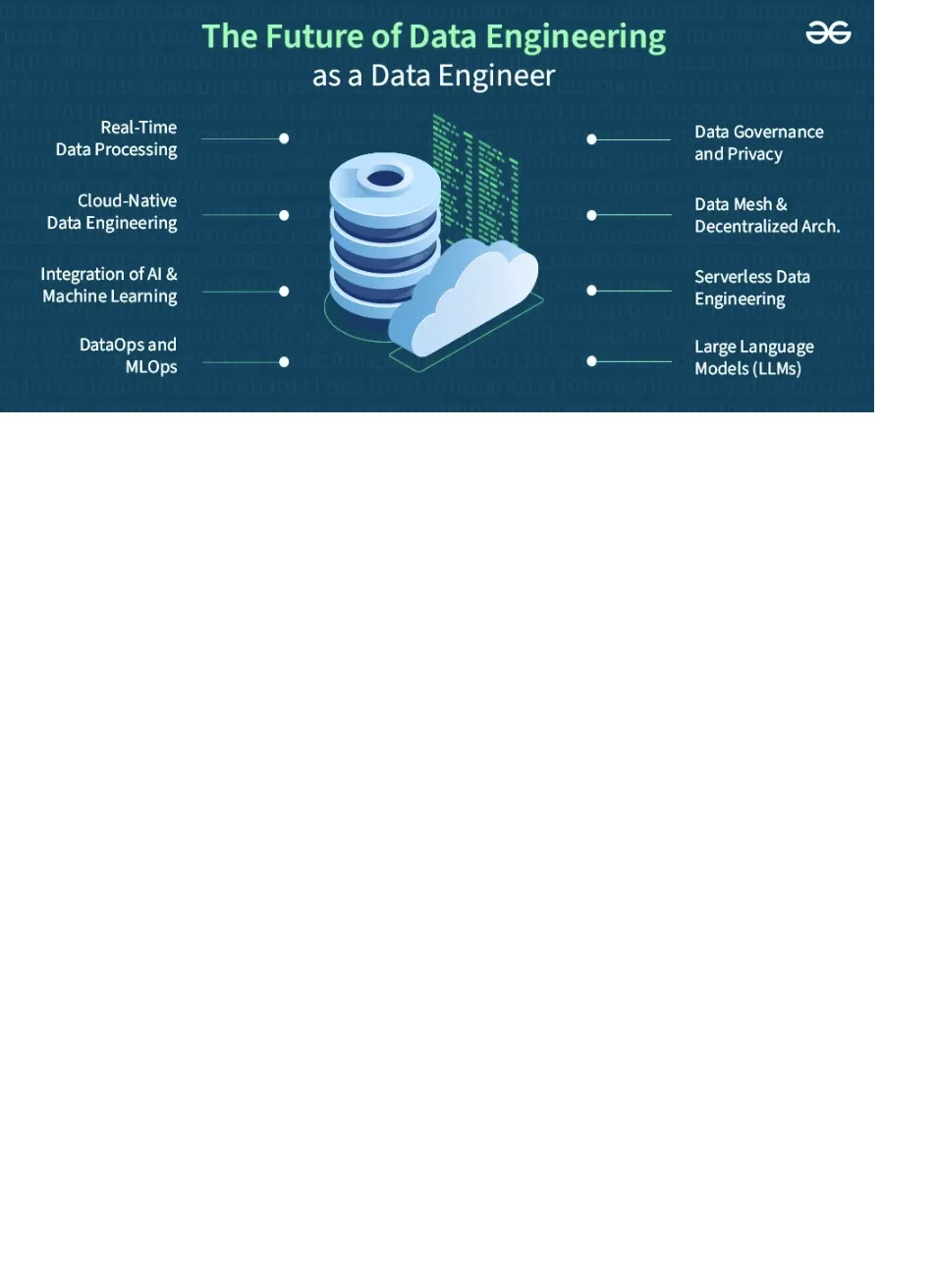
This course introduces foundational data engineering concepts, equipping students with skills to build efficient data pipelines, manage storage systems, and leverage big data technologies. Students explore data flow, processing frameworks like Apache Spark and Hadoop, ETL processes, data warehousing, and cloud platforms (AWS, Azure, GCP). Emphasis is placed on designing optimized, secure databases (SQL/NoSQL) for real-world scalability.
- Teacher: Urmila Pol
- Teacher: Urmila Pol
- Teacher: Urmila Pol
- Teacher: Urmila Pol
